Inspired Education
Back to workshops
Health and Movement Science (HMS)Full-day intensive

Health and Movement Science (HMS) — Full-day Masterclass

A focused full-day Health and Movement Science intensive for the final weeks before the 2026 HSC. Reconnect Health in an Australian and Global Context with Training for Improved Performance, then practise analysing evidence, applying concepts to scenarios and writing clear evaluative responses.

Date

Tuesday 29 September

Time

9:00 am – 4:00 pm

Campus

Macquarie University — room TBC

Availability

30 places left

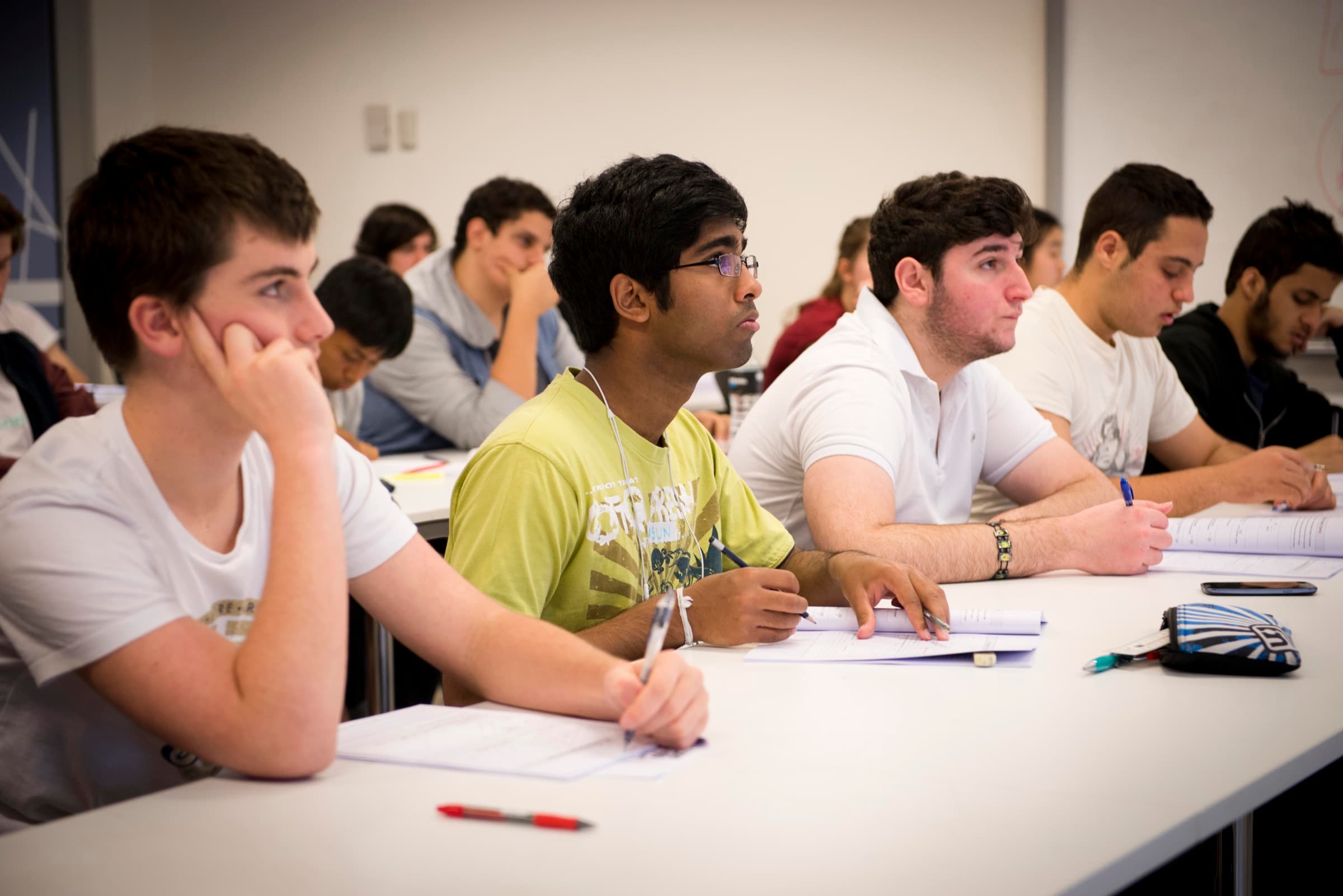
Students concentrating in a live HSC masterclass

A real InspirationED workshop

Live teaching, guided exam practice and room to ask questions.

Health and Movement Science (HMS) · Full course intensive

Use the evidence. Apply the concept. Make the judgement.

Health and Movement Science rewards students who can do more than recall a definition. They need to read health data and movement scenarios critically, apply relevant concepts, compare options and make a justified judgement using precise course language. This workshop brings the two Year 12 focus areas together through guided HSC-style practice and practical response methods.

Best for

Year 12 Health and Movement Science students who know the course content but want a clearer approach to data and source questions, unfamiliar health or performance scenarios, extended responses and the evaluation language needed in the HSC.

Aligned to the 2026 HSC

Health and Movement Science 11–12 Syllabus (2023)

The 2026 HSC is the first HSC examination for the Health and Movement Science 11–12 Syllabus (2023), which replaced the PDHPE Stage 6 Syllabus (2012).

Syllabus

Reserve this session

Per student

$250

30 places left

1

Instant confirmation after secure payment

The Year 12 course

Every part of the course connected to the way it is examined.

The day connects the Year 12 course with the examination skills students need to apply it.

Year 12 focus area

Health in an Australian and Global Context

Analyse Australia’s health status and inequities, the healthcare system, emerging technology and data, and the Sustainable Development Goals. Practise interpreting reports, graphs and scenarios, then using evidence to evaluate strategies that improve health for communities.

Key language: health status · health inequities · Aboriginal and Torres Strait Islander Peoples · healthcare system · technology and data · critical health consumer · Sustainable Development Goals · health promotion
Year 12 focus area

Training for Improved Performance

Connect exercise assessment, training methods and principles, sport-specific program design, psychology, sleep, nutrition, biomechanics, recovery, technology and injury management. Practise applying these ideas to individual and group performance scenarios and making a justified recommendation.

Key language: exercise assessment · training methods · principles of training · physiological adaptations · individual and group sports · psychological strategies · sleep, nutrition and hydration · biomechanics · recovery · injury management

Across the day

Learn it. Apply it. Improve it.

01 · Reconnect

Consolidate the concepts that link the course

Review the key terms, models and relationships across both Year 12 focus areas, including the skill language used to analyse, evaluate and justify.

02 · Decode

Work out what the source or scenario requires

Identify the issue, audience, context, command verb and evidence before deciding which health or movement concepts are most relevant.

03 · Plan

Build a response around a clear judgement

Move from a direct contention to selected evidence, applied concepts and a logical explanation or evaluation matched to the marks available.

04 · Practise

Apply the method to HSC-style tasks

Attempt data, source, scenario and extended-response questions using the same decisions students need to make in the HSC examination.

05 · Refine

Use feedback to improve depth and precision

Review approaches with the teacher, correct unsupported claims and strengthen the links between evidence, course concepts and the final judgement.

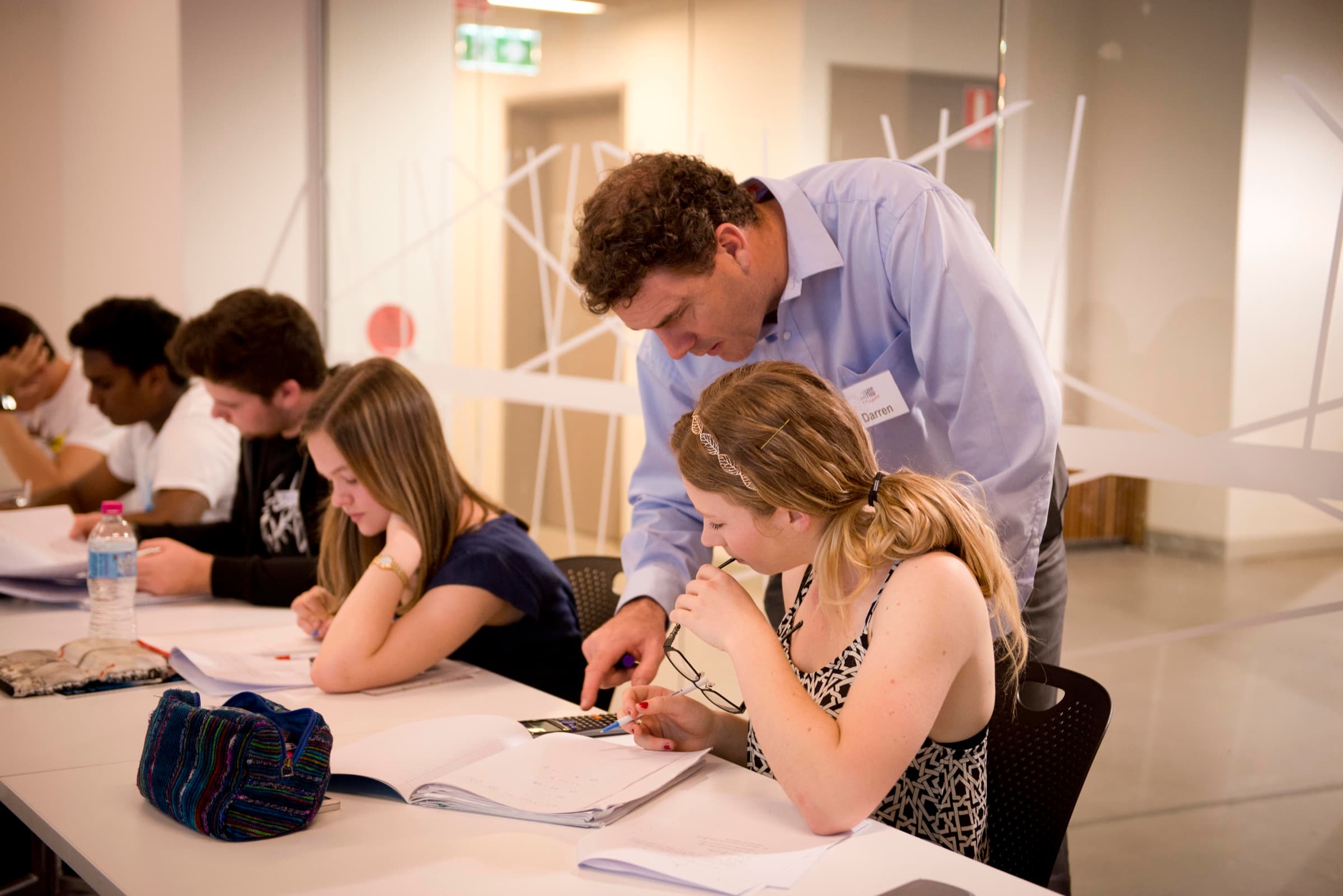
HSC teacher supporting a student during guided practice

Practice and feedback

Guided HSC-style practice with feedback students can apply immediately

Students work through a purposeful mix of source-based, data-based, scenario and extended-response questions. The teacher models how to identify the issue, select evidence, apply the relevant health or movement concepts and make a supported judgement. Students then practise, compare approaches, ask questions and improve their work through live guided feedback. The workshop provides guided feedback and improvement opportunities rather than a separate individual marking service.

Use sources and data with purpose

Extract trends, claims and limitations from reports, graphs, tables and scenarios, then select the evidence that directly supports a response.

Apply concepts to unfamiliar scenarios

Choose the most relevant health or movement science ideas instead of forcing a memorised answer onto the question.

Make stronger evaluative judgements

Compare options, weigh evidence and reach a clear, justified conclusion about health strategies, training choices or performance outcomes.

Communicate with greater clarity and control

Use precise course terminology and a purposeful response structure to explain relationships and earn marks in extended responses.

Included with the workshop

A practical Health and Movement Science workbook for the day and final revision

Every student receives a subject-specific workbook containing concise focus-area notes, HSC-style source and scenario questions, data-analysis prompts, response-planning guides, evaluative language, modelled approaches and space to annotate. Students work through it during the workshop and can continue using it in the final weeks before the HSC.

Concise focus-area notes and key language

Clear reminders of the central concepts, relationships and evaluative language used across the Year 12 course.

HSC-style source, data and scenario practice

Questions that require students to interpret evidence, apply theory and make a supported judgement across both focus areas.

Planning and evaluation frameworks

Practical structures for unpacking questions, selecting evidence, applying concepts and producing a clear evaluative response.

Expert advice and collaborative review

Teacher modelling, live guided feedback, opportunities to ask questions and a focused room where students can compare useful approaches.

Expert HSC educators

Premium take-home resources

Marking insights and exemplars

Common questions

Will the workshop cover both Year 12 focus areas?

Yes. The day connects Health in an Australian and Global Context and Training for Improved Performance, with practice designed to help students apply the common analysis, research, communication and evaluation skills across both areas.

Will I receive feedback on my responses?

Students receive live guided feedback during practice and review, can ask questions and can improve their responses using teacher modelling and discussion. The workshop is not advertised as a separate individual marking service.

Is this aligned to the 2026 HSC syllabus?

Yes. The workshop uses the Health and Movement Science 11–12 Syllabus (2023), which is first examined in the 2026 HSC.

Who is this workshop for?

Year 12 students preparing for their final school assessments and the 2026 HSC examinations.

What should I bring?

Bring a laptop or tablet if you use one for study, writing materials, water and lunch. Your workshop resources are provided.

When will I receive the exact room?

Building, room and arrival instructions are sent by email with the ticket and again before the workshop.

Can I book several workshops?

Yes. Add any three workshops in one order and the $75 bundle saving is applied automatically at checkout.